Case study · Monetization
How SoundStack doubled display ad revenue in one month
Dozens of internet radio sites, one ad operation, and a first month that doubled display revenue.

In short
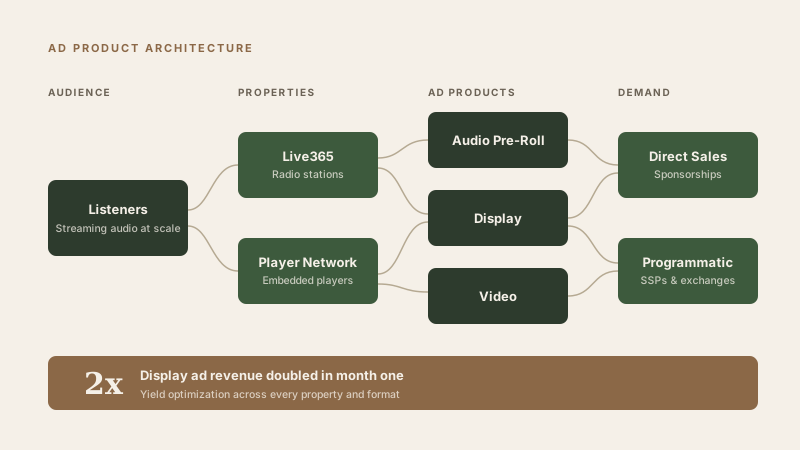
SoundStack runs Live365 and an embedded player network across dozens of radio streaming sites. Ad revenue was running below what the listener base could support. I took over product management and ad operations for monetization, modernized the ad products and the operating process behind them, and display ad revenue doubled in the first month. The engagement is ongoing, with a target of 10x revenue growth over six months.
| Client | SoundStack (Live365 and the embedded player network) |
|---|---|
| Industry | Streaming audio, internet radio |
| Role | Product and ad operations contractor |
| Engagement | Fractional, ongoing |
| Scope | Ad product strategy, ad operations, pre-roll audio, display, and video ad products, vendor management, yield optimization |
| Outcome | Display ad revenue doubled in the first month. Target of 10x revenue growth over six months. |
What was the problem?
SoundStack is an audio-as-a-service company. Its Live365 platform and embedded player network put dozens of internet radio stations and their websites in front of a large audience every day. The ad products on those pages had not kept pace with the audience. Display inventory was underused, the operating process behind ad serving had grown piece by piece over the years, and revenue sat well below what the traffic could support.
SoundStack needed one person to own both halves of the problem: the product side (which ad products exist and where they run) and the operations side (how they are set up, sold, and reported).
What did I do?
I joined as a product and ad operations contractor with ownership of monetization across all properties.
- Audited the ad products and placements on Live365 and the player network: what ran where, what went unsold, and what was missing.
- Modernized the ad operations setup and the product management process behind it, so a change could ship and be measured within days.
- Built and rolled out pre-roll audio, display, and video ad products across the platform, starting with display because it had the shortest path from setup to revenue.
- Defined the ad product strategy and managed the vendor relationships on the demand side.
- Optimized yield property by property through placement, format, and fill-rate work.
What changed?
Display ad revenue doubled in the first month of the engagement. The placements are live on the Live365 homepage today: a leaderboard above the featured stations and right-rail units beside them. The partnership continues with a target of 10x revenue growth over six months, driven by expanded ad formats and improved fill rates.

What I would tell another audio platform
- Start with the pages people already see. Display on the busiest pages turned into revenue within weeks. New formats take longer and should come second.
- Fix the operating process before adding demand. If a change takes days to configure and nobody can see the result by property, optimization stalls no matter how much demand you add.
- Treat pre-roll, display, and video as one product line. Shared reporting keeps a decision about one format from starving the others.
Questions people ask
How quickly can an internet radio network increase display ad revenue?
In this engagement, display ad revenue doubled within the first month. The speed came from using placements and traffic that already existed; the work was ad product setup, operations, and demand. Results depend on the starting point, so the first step is an audit of what runs today.
Which ad formats work on streaming radio sites?
Pre-roll audio, display units on station pages and around the player, and video. Display is usually the fastest to stand up. Audio and video pay more per impression but need more demand-side work.
Running an ad-supported audio product?
If revenue is below what your audience should support, a 25-minute call is a good place to start.